June 3, 2026
Understanding septic system maintenance is crucial for homeowners who rely on these systems for waste management. This article provides a comprehensive guide to local septic system pumping services, offering insights into the process, benefits, and maintenance tips. Septic systems are underground wastewater treatment structures, commonly used in rural areas without centralized sewer systems. They use a combination of nature and proven technology to treat household wastewater from bathrooms, kitchen drains, and laundry. A well-maintained septic system is essential for the health of the household and the surrounding environment.
Understanding Septic Systems
Components of a Septic System
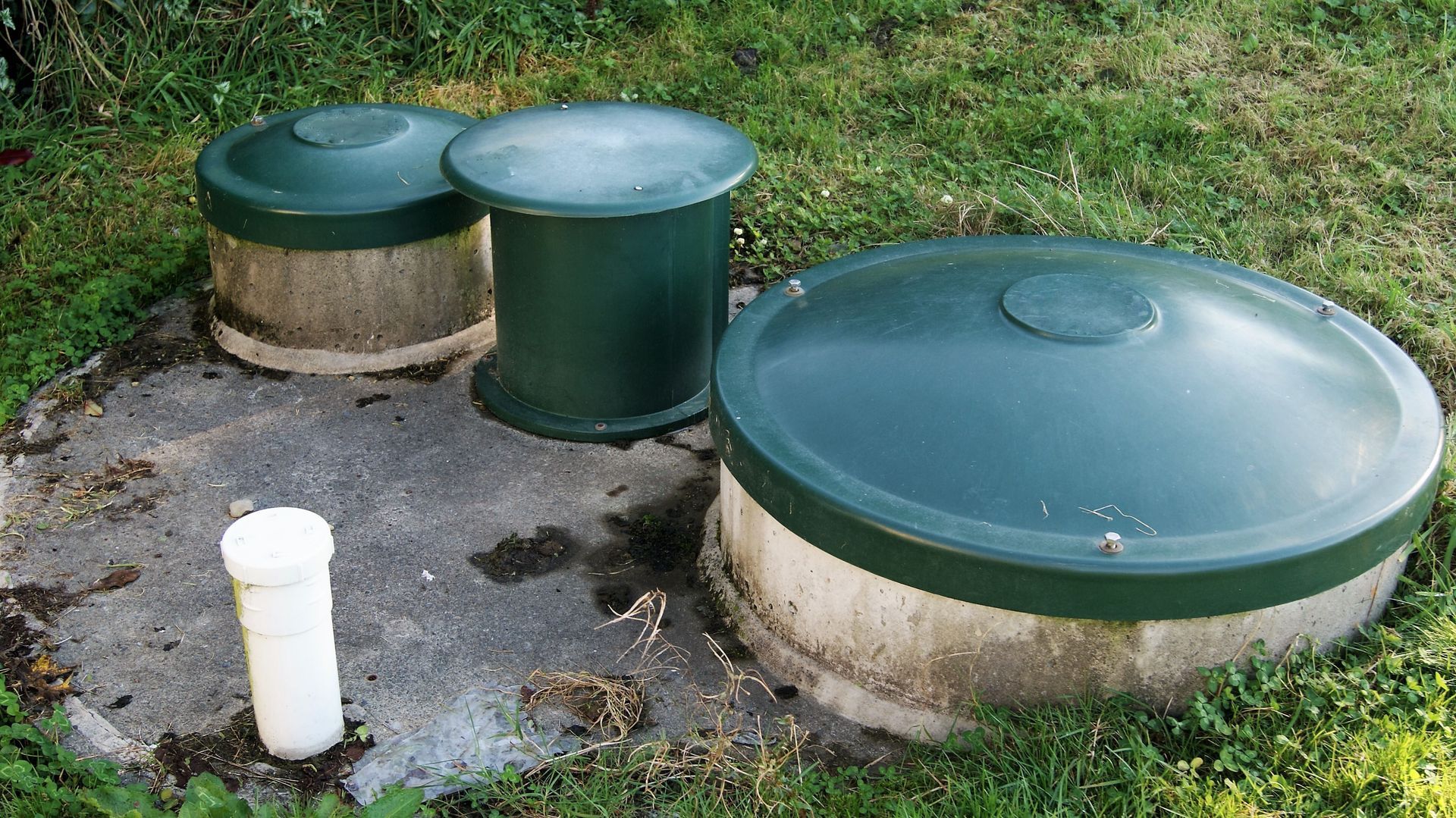
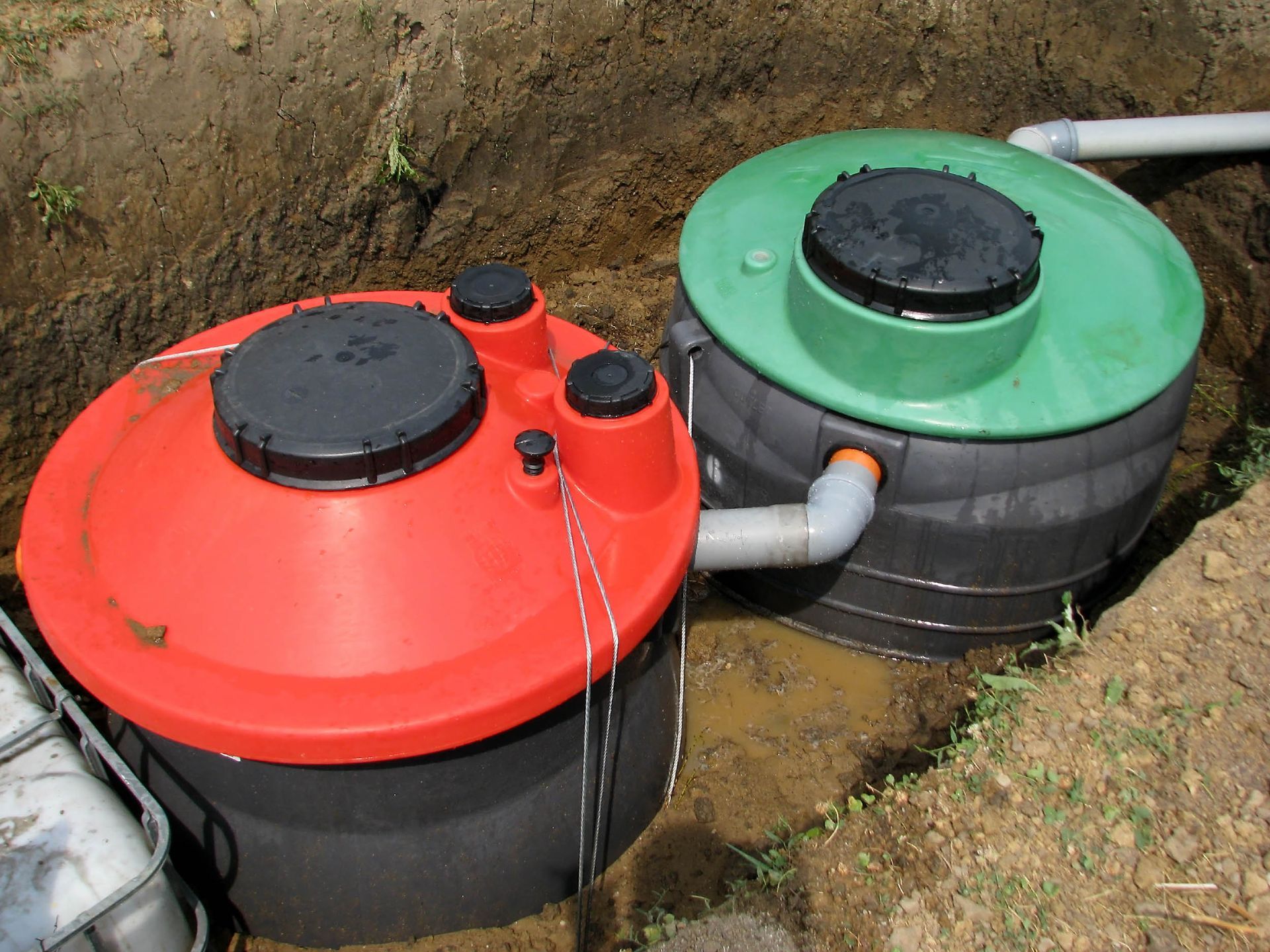
A typical septic system consists of a septic tank and a drain field, or soil absorption field. The septic tank is a buried, watertight container usually made of concrete, fiberglass, or polyethylene. It holds the wastewater long enough to allow solids to settle down to the bottom forming sludge, while oil and grease float to the top as scum. Compartments and a T-shaped outlet in the septic tank prevent the sludge and scum from leaving the tank and traveling into the drain field area. For a septic system to function properly, these components must be maintained regularly.
Septic systems also include a network of pipes that carry wastewater from the house to the tank. The drain field is a shallow, covered, excavation made in unsaturated soil that allows wastewater to trickle from the pipes out into the environment. If the drain field becomes overloaded with liquid, it can flood, causing sewage to flow to the ground surface or create backups in toilets and sinks. Bacteria in the soil naturally treat wastewater as it percolates through the soil, thereby purifying the water. Any blockage or mechanical failure in these components can lead to system malfunctions.
The proper functioning of a septic system depends on the maintenance of its parts, including the use of the correct tank size, efficient waste breakdown, and regular pumping to remove accumulated solids. Homeowners need to be aware of the interplay between these components to avoid costly repairs. Without proper care, solids that are allowed to build up will eventually clog the soil absorption system. According to the EPA, a septic tank should be pumped if 25% or more of the liquid is scum and sludge. Routine checking and maintenance can prevent most septic problems.
How Septic Systems Work
Septic systems work by using natural processes and time-tested technology to treat wastewater. When household wastewater enters the septic tank, it starts the separation process: heavier solids settle at the bottom, while lighter materials such as grease and oils float to the top. This separation process in the septic tank is crucial for reducing potential blockages in the drain field and maintaining system functionality. Wastewater is naturally filtered through the soil in the drain field before returning to the groundwater systems, completing the treatment process. Bacterial activity is essential in this process, as microbes eat away at the organic waste materials in wastewater.
Gravity typically moves waste through the system, but some systems use pumps. The absence of air in the tank allows anaerobic bacteria to thrive, and they break down the organic matter in the waste. Solids that don't fully decompose remain in the tank and need to be removed periodically through pumping. Meanwhile, the liquid waste, or effluent, exits the tank and is dispersed into the drain field where it receives final treatment and filtration by being broken down by naturally occurring bacteria in the soil. Properly functioning systems will not contaminate the environmental surroundings if maintained adequately.
The cyclical nature of the septic system requires routine checks to ensure its efficiency. Homeowners need to monitor usage patterns and maintain regular inspections to prolong system life. Problems like system backups or environmental contamination typically signal a malfunction, which can usually be traced to a lack of routine maintenance or incorrect usage. Educating users on how the septic system operates can prevent misuse and potential hazards. Proactive management and continued education are essential for long-term system efficiency.
Types of Septic Systems
Septic systems come in various types, each suited to different site conditions and household needs. Conventional septic systems are the most common, featuring a septic tank and drain field. However, in areas where soil permeability is low, alternative systems may be necessary. These can include systems such as aerobic treatment units, sand filters, or mound systems. Each type has specific operational characteristics and maintenance requirements that homeowners must adhere to for efficient function.
Aerobic treatment units (ATUs) add air to the treatment tank, which increases the rate of decomposition of organic matter, allowing the system to work more efficiently in terms of wastewater treatment. In sand filter systems, wastewater flows through sand, which provides additional filtration before entering the soil or drain field. Mound systems, on the other hand, are used where soil conditions aren’t adequate, so wastewater is treated in an elevated mound constructed to suit the site layout. These systems are engineered to address specific site limitations but require more routine maintenance than conventional systems.
Choosing the right type depends on several factors including soil type, property size, proximity to water bodies, and local regulations. Homeowners should consult with qualified professionals when deciding on the best septic system type for their property. It's also important to ensure compliance with local health and building codes to prevent environmental and public health risks. A comprehensive understanding of how each system works will assist in making informed decisions. The adaptability of these systems allows them to be utilized in various environmental settings, ensuring proper waste management where traditional systems might fail.
Common Septic System Problems
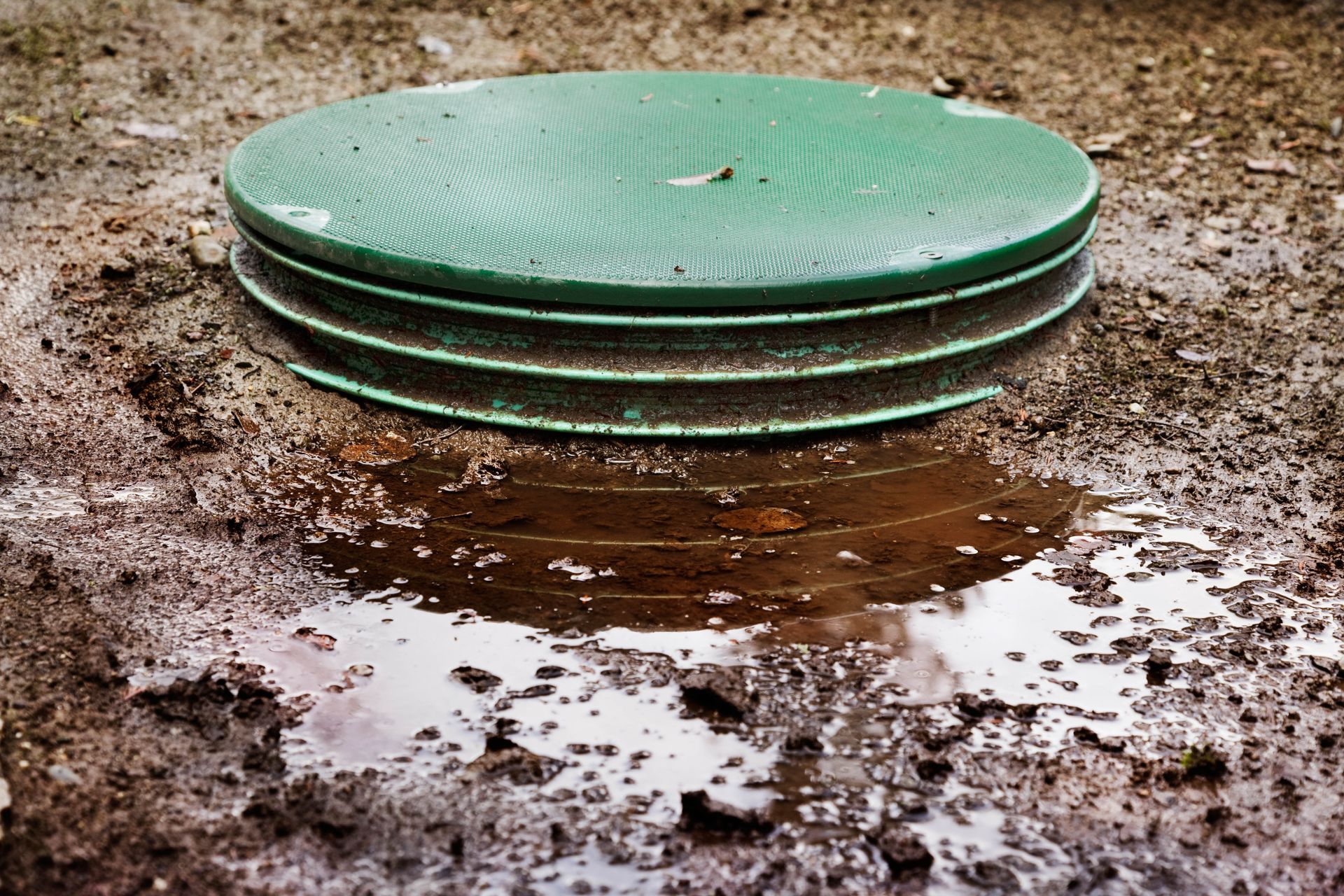
Septic systems, though highly effective, can encounter several common problems. One major issue is the buildup of solids in the tank, which surpasses the system's ability to break them down, leading to a blockage in the outflow, and potential failure of the entire system. This buildup results in backups in household plumbing and pooling water in the drain field. Scum and sludge should be monitored regularly because if over 25% of the liquid in the tank is scum and sludge, pumping is necessary. Ignoring such signs can eventually damage the system and require costly repairs or replacements.
Water usage can significantly impact septic system health if not monitored carefully. Excessive water flow over a short period can overwhelm the system, preventing solids from settling and leading to insufficient treatment of the effluent before it reaches the drain field. Persistent household leaks or high usage can also contribute to hydraulic overload, resulting in septic system failure. Proper management and water conservation measures can mitigate these risks substantially. Homeowners should also ensure that non-biodegradable materials are not flushed into the system, as this can exacerbate problems.
External factors can cause septic issues, such as tree root infiltration, improper installation, or inadequate initial evaluation of site conditions. Regular inspections by qualified professionals can help detect such problems early. Improvements in septic system technology and installation methods have reduced many traditional issues, but ongoing maintenance remains non-negotiable for system longevity. Educating homeowners on signs of potential problems can significantly extend the system's lifespan and maintain its efficiency. Be sure to reach out to Boerman Septic Tank Services today to learn more about our professional local septic system pumping services!