July 30, 2026
The importance of maintaining a well-functioning septic system cannot be overstated. Regular pumping is essential to prevent costly repairs and unsanitary conditions. This article will delve into the key indicators that signal it's time to hire professional septic system pumping services. Understanding these signs can help homeowners take timely action before the problems escalate. Being proactive about septic system care is crucial for both financial and environmental reasons.
Indicator 1: Slow Drains
Observed Delay in Water Drainage
One of the first signs that may indicate a need for septic system pumping services is a noticeable delay in water drainage. If you find that your sinks and bathtubs are taking longer than usual to drain, it might be time to assess your septic system's condition. Slow drains are often the first indication of a more significant issue within the plumbing network or the septic system. A buildup of waste can slow the water's journey through the pipes, leading to delays in drainage. Addressing this issue sooner can help avoid more severe blockages and costly repairs down the line.
Consistency Across Multiple Drains
It's essential to observe whether the slow drainage is consistent across multiple drains in your home. If only one drain is affected, the issue might be localized to that specific area. However, if several drains are simultaneously slow, it suggests a more systemic problem within the septic system. This consistency indicates that the septic system isn't processing waste efficiently across the board. Recognizing this pattern is crucial for diagnosing the root cause, and professional inspection is often necessary.
Potential Blockages Leading to Slow Drains
Blockages in the septic tank or the adjoining pipes can lead to slow drains. Over time, a buildup of solid waste can occur, particularly if regular pumping hasn't been performed as recommended. According to Bob Vila, for a family of four with a 1,000-gallon septic tank, it's recommended that it be pumped every 2.6 years. Ignoring this maintenance schedule can result in obstructions that impede the flow of wastewater. These blockages can eventually culminate in complete clogs if not addressed.
Regular Pumping to Prevent Slow Drain Issues
Ensuring that your septic system is regularly pumped can significantly alleviate slow drainage issues. Routine pumping removes accumulated solids and prevents them from interfering with normal water flow. Timely maintenance is often far less expensive than emergency plumbing services or septic repairs. A well-pumped system supports optimal water movement, ensuring smooth drainage across all fixtures. By adhering to recommended pumping schedules, homeowners can avoid the inconvenience and frustration of slow drains.
When to Consult a Professional
While some minor plumbing problems can be handled with home remedies, septic system issues typically require professional intervention. When slow drains persist despite efforts to clear them, it may be time to call in septic specialists. These professionals have the tools and expertise to diagnose the issue accurately and provide effective solutions. By leveraging their knowledge, homeowners can address underlying septic issues with greater confidence. Quick action is essential to avoid potential water damage or more significant plumbing challenges.
Indicator 2: Unpleasant Odors
Common Areas Affected by Septic Odors
Septic odors can affect various areas within and around a home. Common signs include foul smells near sinks, drains, and toilets, as well as around the septic tank's location in the yard. These odors can sometimes become overwhelming, especially if there is a leak or backup issue. Besides being unpleasant, these smells can significantly impact quality of life, causing discomfort and embarrassment. Addressing these odors promptly is vital to maintain a healthy living environment.
The Role of Waste Accumulation in Septic Odors
Accumulated waste within the septic tank can contribute significantly to the development of unpleasant odors. As organic waste breaks down, it releases gases that can create a noticeable smell if the septic system is not functioning correctly. The presence of these odors typically indicates that the tank is full or that there is a blockage preventing the proper dispersion of gases. Regular pumping and maintenance can help mitigate this issue by ensuring adequate space in the tank for waste processing. An efficiently operating septic system should keep unpleasant odors at bay.
Health Risks Associated with Septic Odors
Beyond their unpleasantness, septic odors can also pose health risks. The gases released from septic waste contain compounds such as methane and hydrogen sulfide, which can be harmful in large concentrations. Prolonged exposure to these gases can lead to respiratory problems and other health issues. Additionally, the presence of bacteria and other pathogens that accompany these odors heightens the risk of infection and illness. Ensuring that septic odors are promptly and effectively resolved can prevent potential health hazards.
Steps to Alleviate Unpleasant Odors
When faced with septic odors, immediate action should be taken to alleviate the situation. Checking for leaks or cracks in the system is a crucial first step, as these can be sources of odor leakage. Scheduling regular septic tank inspections and maintenance can preempt many issues associated with odor. Homeowners should also consider using odor-neutralizing agents or sealants to provide temporary relief. Ultimately, consulting septic professionals can offer reliable and long-lasting solutions, ensuring a healthier and more pleasant home environment.
Indicator 3: Water Pooling in Yard
Possible Causes of Pooling Water
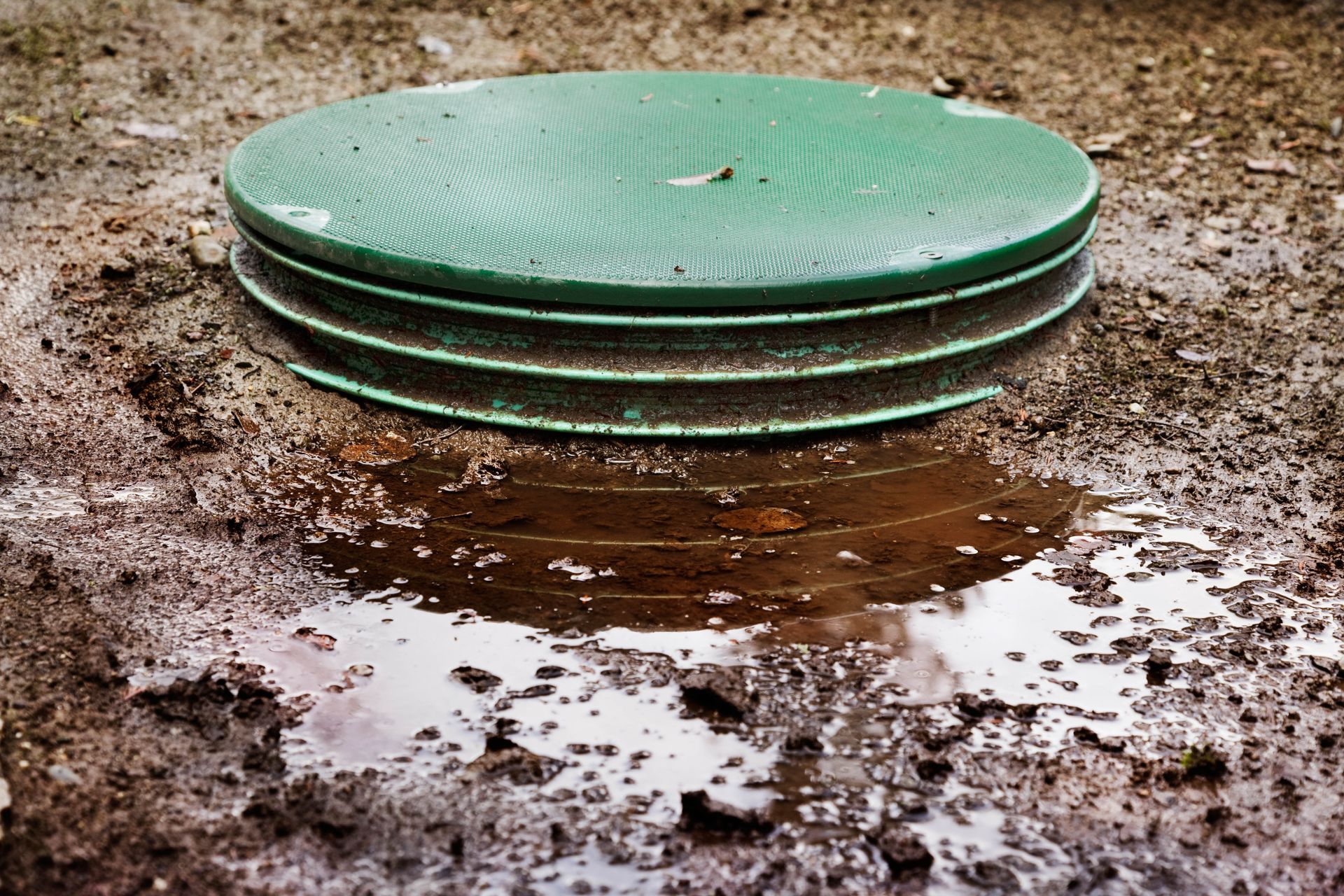
Pooling water in the yard can stem from various septic system issues. A leaking or overflowing septic tank is a common cause, often resulting from a lack of regular maintenance. Clogs in the system can also divert wastewater to unintended areas, leading to water accumulation. Alternatively, damaged pipes or components within the septic system can cause water to escape into the surrounding soil. Identifying these causes is essential for implementing effective corrective measures.
Consequences of Ignoring Pooling Water
Failing to address water pooling in the yard can have detrimental consequences. As water continues to accumulate, it can disrupt the soil structure, leading to soil saturation and flooding. This can create additional environmental hazards, such as fostering insect infestations and plant disease. Additionally, ignored pooling can exacerbate underlying septic issues, leading to system failure or costly repairs. Proactive measures save time, money, and protect the surrounding environment from contamination.
Immediate Actions to Take
When noticing unusual water pooling, immediate steps should be taken to assess and address the situation. Inspecting the affected area for signs of septic fluid, like odors or discolored water, can provide preliminary insights. Temporarily redirecting water flow away from the pooling area can help mitigate immediate environmental impact. Documenting observations with photos can aid professionals in diagnosing the issue. Consulting with septic experts promptly can provide accurate diagnosis and effective solutions to address the underlying problem.
Indicator 4: Lush Grass Over Drain Field
Visual Signs of Drain Field Issues
In addition to unusually lush grass, other visual indicators may suggest drain field issues. Patches of standing water, excessive weed growth, and soggy or muddy areas can also signify septic problems. These signs may manifest gradually, necessitating regular yard inspections to catch them early. Noticing these visual changes should prompt homeowners to assess the health of their septic system. Early detection and action can prevent further damage and disruption to the drain field.
Impact on the Environment
The environmental impact of a malfunctioning drain field can be significant. Septic effluent that is not properly processed and distributed can contaminate surrounding soil and groundwater. This contamination poses a risk to nearby drinking water sources and local ecosystems. Additionally, nutrient-rich effluent can contribute to algae blooms in nearby water bodies, disrupting aquatic life. Maintaining a healthy drain field is crucial for protecting both residential and ecological environments.
Being aware of these indicators can save homeowners from significant financial and health-related issues. Regular monitoring and professional septic system pumping can ensure the longevity and efficiency of the septic system, keeping the home safe and sanitary. Timely intervention based on observable signs is the key to preventing systemic failure and associated costs. Effective septic system management fosters household well-being and contributes positively to environmental preservation. Prioritizing maintenance through informed decisions and regular consultation promotes a thriving and sustainable septic infrastructure. If you're looking for reliable
septic system pumping services, reach out to Boerman Septic Tank Services today!